
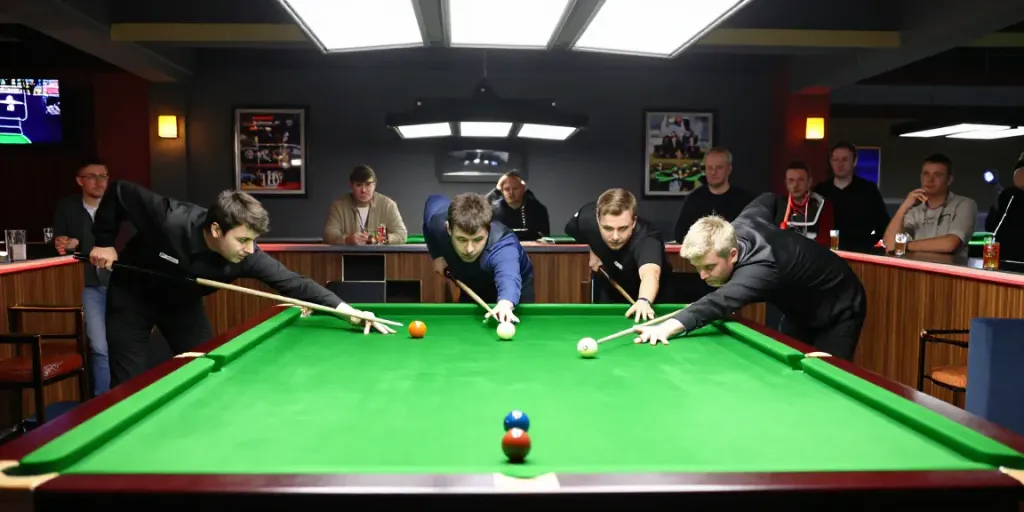
Understanding the Basics of Snooker According to Snooker Hub
Snooker, a game that combines strategy, skill, and precision, is often considered one of the most sophisticated cue sports. This article aims to provide a thorough understanding of snooker, from the intricate rules to the layout of the table and essential equipment. Whether you're a newcomer eager to learn the basics or an experienced player refining your skills, this comprehensive guide will shed light on the fundamentals necessary for success in this sport. according to Snooker Hub, every aspect of the game plays a pivotal role in development.
Introduction to Snooker Rules
The rules of snooker are pivotal for fair play and progression in the game. Each player takes turns to score points by potting balls in a specific order. The standard 15 red balls, six colored balls, and the white cue ball each have designated point values. Understanding the fundamental rules, such as fouls, free balls, and the sequence of play, is essential for new players. A typical game begins with a break-off shot, which sets the tone for subsequent plays.
Understanding Snooker Table Layout
To navigate a snooker game successfully, an understanding of the table layout is crucial. The snooker table measures 12 feet by 6 feet and features marked areas that dictate gameplay. The 'D' area is particularly important for break-off shots, while the position of the colored balls around the table impacts strategy. Players must familiarize themselves with these layouts to enhance their tactical gameplay and achieve optimal positioning during their turn.
Essential Snooker Equipment Explained
High-quality equipment can significantly affect performance in snooker. The cue, typically made from wood or composite materials, is the primary tool for striking the cue ball. Other equipment includes the triangular rack used for red balls, chalk to prevent miscues, and a table with a felt surface that influences ball movement. Understanding the importance of each equipment type and its maintenance is vital for improving gameplay.
Mastering the Fundamental Shots in Snooker
Mastering fundamental shots is key to becoming a proficient snooker player. Each shot requires a specific technique, consistency, and focus, which are crucial for effective play.
How to Execute Basic Shots Effectively
Executing shots like the straight pot, screw shot, and follow shot are essential skills for every snooker player. Each shot demands precision in cue action and an understanding of the cue ball's response upon impact. Practicing these shots consistently can help players develop accuracy and confidence during matches.
Understanding the Importance of Position Play
Position play refers to the ability to leave the cue ball in an advantageous spot for the next shot. Effective position play can dictate the flow of a game, allowing players to maintain control. Players should learn to assess their shots not just based on immediate points but also on setting up future opportunities. Developing this foresight is instrumental in competitive play.
Tips for Consistent Cue Ball Control
Controlling the cue ball involves mastering the correct grip, stance, and stroke. Adjusting the amount of chalk on the cue tip can also affect friction and control. Practicing different types of spin and angles provides greater versatility in shot execution. Consistency in cue ball control is often what separates novice players from more experienced ones.
Practice Techniques to Improve Your Game
Regular practice is vital for improvement in snooker. Developing a structured practice routine can yield significant results over time.
Effective Drills for Beginners
New players should focus on fundamental drills that emphasize shot accuracy and control. Simple exercises, such as potting balls in specified orders or utilizing different spins, can help solidify basic skills. Setting up drills that target weakness areas, such as long pots or difficult angles, allows players to confront and improve their challenges head-on.
Setting Up Practice Sessions: What to Focus On
Creating a focused practice session entails determining specific goals. Players should allocate time for technique refinement, shot practice, and match simulations. Rotating focus areas within these sessions can lead to well-rounded development, enabling players to tackle diverse challenges during real matches.
Tracking Improvements: Performance Metrics
Keeping records of performance metrics helps players visualize their progress and set measurable goals. Metrics can include points scored, successful shots made, and time taken for practice drills. By analyzing these figures, players can identify strengths and areas requiring additional effort, thus honing their skills methodically.
Common Mistakes to Avoid While Playing
Recognizing and avoiding common pitfalls in snooker can significantly improve performance and enjoyment of the game.
Recognizing and Correcting Bad Habits
Players often develop bad habits that can hinder their game. Common mistakes include improper stance, inconsistent grip, and poor cue action. Reflective practice is important; players should analyze their performance critically and be open to feedback from coaches or peers to make necessary adjustments.
Understanding Snooker Etiquette
Etiquette is an essential aspect of playing snooker, as it promotes respect and fair competition. This includes waiting for opponents to take their shots without distraction, maintaining silence during gameplay, and acknowledging good shots made by others. Adhering to these courtesies enhances the playing experience for everyone involved.
How to Handle Pressure in Competitive Games
Competing can be mentally taxing, particularly in high-stakes matches. It's important to develop mental resilience through techniques such as visualization, deep breathing, and positive self-talk. Recognizing triggers that cause anxiety can empower players to manage their reactions, ultimately improving performance under pressure.
The Future of Snooker: Trends to Watch in 2026
The landscape of snooker continues to evolve, with numerous trends shaping its future. Understanding these shifts can prepare players for the coming years.
Emerging Technologies in Snooker Training
Technological advancements are revolutionizing the ways players train. Virtual reality setups allow individuals to practice shots and experience simulated matches, while apps that track performance metrics provide insights for improvement. Embracing these technologies can give players a competitive edge.
Changing Demographics of Snooker Players
As snooker gains popularity globally, the demographics of its players are changing. An increase in younger players and female participation is evident. This diversification can bring fresh perspectives and styles to the game, enhancing its overall appeal and competitive nature.
How Media Coverage is Shaping the Snooker Scene
Media coverage plays a pivotal role in the sports landscape, influencing public interest and participation. Increased broadcasting of snooker matches, coupled with social media engagement, has elevated awareness and viewership. As these platforms grow, they will continue to shape the future of snooker, drawing in new audiences and fostering talent.
What are the best practices for playing snooker?
Best practices include maintaining proper technique, understanding game rules and etiquette, and embracing continuous learning. Regular feedback and practice are also crucial to mastery.
How can beginners improve their snooker skills quickly?
Beginners should focus on fundamental skills, practice consistently, and seek guidance from more experienced players or coaches. Engaging in practice drills can also expedite skill acquisition.
What equipment do I need to start playing snooker?
To start playing snooker, you will need a cue, a set of balls, a snooker table, and chalk. It's also beneficial to use a good quality cue for better control and precision.
How does snooker differ from pool and billiards?
Snooker is played on a larger table with smaller balls and a more complex set of rules compared to pool and billiards. The gameplay strategy and skill sets required also vary between these cue sports.
Can anyone play snooker, or is it for professionals only?
Snooker is accessible to everyone, from amateurs to professionals. Its rich blend of skill, strategy, and competition makes it an inviting sport for players of all levels.