The Importance of Catering Fryers in Modern Kitchens
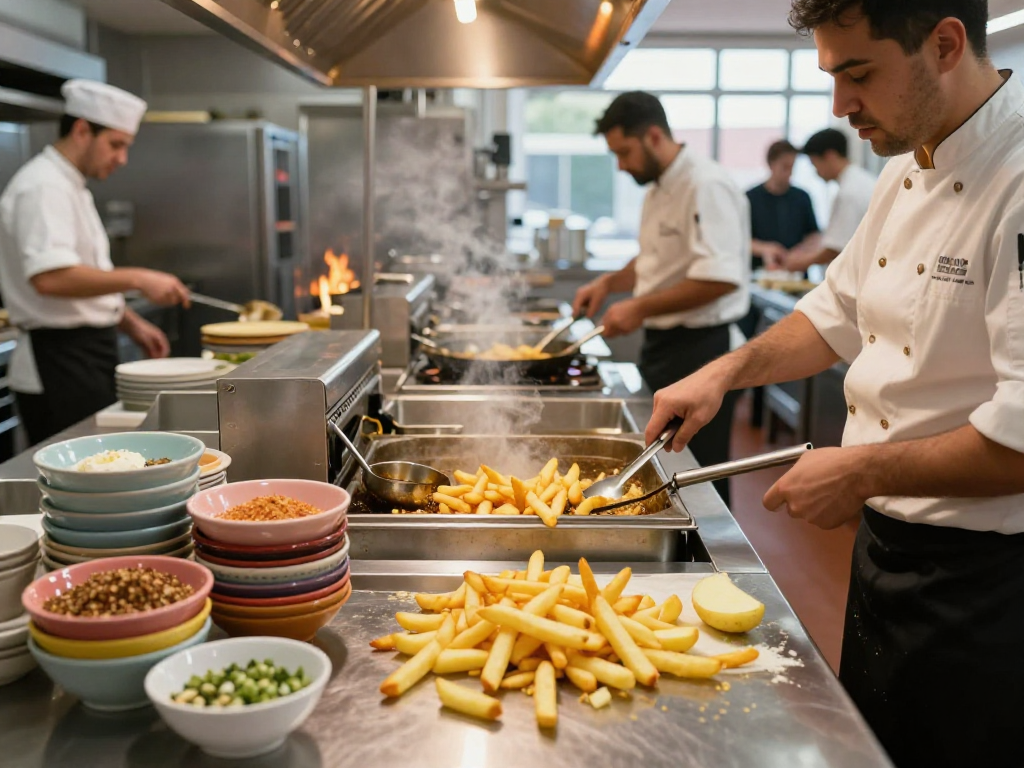
In the fast-paced world of catering, efficiency and quality are paramount. Catering fryers play a crucial role in delivering perfectly cooked food at scale, allowing chefs to meet high demand without sacrificing flavour or texture. Whether you're running a large restaurant, catering service, or food truck, understanding the intricacies of catering fryers can significantly enhance your kitchen operations. When exploring options, Catering Fryers can help you identify the best appliances for your specific needs.
What Are Catering Fryers and How Do They Work?
Catering fryers are specialized kitchen equipment designed for frying food items in large quantities efficiently. They operate by heating cooking oil to a specific temperature, allowing food to be submerged and cooked evenly. The basic components of a catering fryer include the fryer tank, heating element, and temperature control system. These fryers can be gas or electric, with each type having its own advantages. Gas fryers often heat up more quickly, while electric fryers offer precise temperature control.
In addition to traditional deep fryers, there are also pressure fryers and open fryers, each capable of producing various textures and flavours in the final dish. Understanding how these fryers operate enables chefs to choose the right type for their cooking style and menu offerings.
Benefits of Using Catering Fryers in Bulk Food Preparation
There are numerous advantages to using catering fryers in a commercial kitchen. Here are some key benefits:
- Speed: Catering fryers are designed for rapid heating, allowing chefs to cook food quickly and efficiently. This speed is essential during peak service hours.
- Consistency: With precise temperature controls, catering fryers ensure that food is cooked uniformly, leading to consistent quality across batches.
- Versatility: Catering fryers can handle a variety of foods, from French fries and chicken wings to vegetables and even desserts, making them versatile tools in the kitchen.
- Cost Efficiency: While the initial investment might be higher, the ability to cook in bulk can lead to lower overall food costs, reducing waste and maximizing profit margins.
Common Misconceptions About Catering Fryers Explained
Despite their benefits, there are several misconceptions about catering fryers that can deter chefs from utilizing them:
- Frying is Unhealthy: While frying is often seen as unhealthy, modern fryers with temperature controls and oil filtration systems can minimize the negative health impacts of fried foods.
- Frying is Complicated: Many believe that frying requires complex techniques. However, with the right equipment, frying can be straightforward and efficient.
- All Fryers Are the Same: There are significant differences in quality, features, and operational efficiency among fryers. Choosing the right one for your kitchen is critical.
Choosing the Right Catering Fryer for Your Business
Key Features to Look for in a Catering Fryer
When selecting a catering fryer, certain features can greatly influence the efficiency and results of your frying operations:
- Temperature Control: Look for fryers with accurate and reliable temperature settings, as this is critical for achieving the best cooking results.
- Oil Capacity: Choose a fryer with sufficient oil capacity to handle your volume of food. Larger fryers can cook more at a time, saving time during busy service periods.
- Ease of Cleaning: Fryers with an efficient oil filtration system and removable parts will save time on maintenance, allowing for quicker turnarounds in busy kitchens.
- Safety Features: Automatic shutoff systems and cool-touch exteriors can enhance safety, reducing the risk of accidents in the kitchen.
Different Types of Catering Fryers Available on the Market
Catering fryers come in various types, each designed for specific needs:
- Deep Fryers: The most common type, ideal for frying a wide range of items quickly.
- Pressure Fryers: Used primarily for chicken, these fryers cook food under pressure, resulting in moist, flavourful dishes.
- Countertop Fryers: Perfect for smaller operations, these fryer models are compact yet still efficient for producing large quantities of food.
How to Assess the Capacity Needs of Your Kitchen
Determining the right fryer capacity is critical for efficiency. Consider the following factors:
- Volume of Service: Estimate the number of dishes you will serve per day to determine how quickly you need to fry.
- Menu Offerings: Consider the types of food you will be frying, as some items take longer to cook than others.
- Space Constraints: Assess your kitchen layout to ensure that the fryer fits well without obstructing movement or workflow.
Best Practices for Utilizing Catering Fryers Efficiently
Setting the Right Temperature: A Crucial Step
The temperature at which you fry food is essential for achieving optimal results. Most foods should be fried at temperatures between 350°F to 375°F (175°C to 190°C). It's critical to monitor the oil temperature consistently, as fluctuations can lead to greasy or burnt food. Using a thermometer can help maintain an accurate temperature.
Maintaining Quality: Tips for Perfectly Fried Foods
To ensure that your fried foods come out perfectly every time, consider these tips:
- Don’t Overcrowd the Fryer: Frying too many items at once can lower the oil temperature, resulting in soggy food. Fry in batches as needed.
- Drain Excess Oil: After frying, allow food to drain on wire racks or absorbent paper to remove excess oil, improving texture and taste.
- Use Fresh Oil: Regularly changing your oil will help maintain flavour and prevent off-tastes.
Safety Guidelines When Operating Catering Fryers
Safety should always be a priority when using catering fryers. Follow these guidelines to minimize risk:
- Keep the Area Clean: Ensure that the frying area is free from clutter and any flammable materials to reduce fire hazards.
- Wear Proper Gear: Use heat-resistant gloves and clothing to protect against burns.
- Have Fire Safety Equipment Accessible: Keep a fire extinguisher nearby, and ensure staff are trained in its use.
Common Challenges in Frying and How to Overcome Them
Dealing with Oil Quality and Lifespan Issues
Oil quality is critical for achieving great frying results. Over time, oil will degrade and impart off-flavours to food. To maintain oil quality:
- Regularly filter the oil to remove food particles.
- Monitor the oil’s temperature and usage to determine when it needs to be changed.
- Consider using oil with higher smoke points for longer-lasting results.
How to Prevent Food from Sticking in Fryers
Food sticking to the fryer can be a common issue that affects texture and flavour. To prevent sticking:
- Ensure that the fryer is preheated before adding food.
- Consider breading foods properly to create a barrier.
- Fry items in small batches to maximize even cooking and reduce sticking.
Managing Staff Training for Efficient Frying Practices
Investing in staff training is essential for maximizing the efficiency of catering fryers. Train your team on:
- Proper frying techniques including temperature control and timing.
- Safety protocols to follow when operating fryers.
- Effective cleaning and maintenance practices to prolong fryer lifespan.
The Future of Catering Fryers in 2026 and Beyond
Emerging Trends: Health-Conscious Frying Techniques
As health-conscious dining becomes more prevalent, catering fryers are adapting. Air frying and other methods that require less oil are gaining popularity. Chefs are exploring ways to retain flavour while using healthier cooking techniques to appeal to modern consumers.
Technological Innovations in Commercial Fryers
Advancements in technology are leading to smarter catering fryers that offer greater efficiency and control. Features such as IoT connectivity, which allows for remote monitoring, are becoming common. These innovations not only streamline operations but also enhance food quality by allowing precise control over cooking parameters.
How Sustainability is Influencing Frying Equipment Choices
As sustainability continues to be a pressing issue, the demand for energy-efficient fryers that minimize oil waste is rising. Manufacturers are innovating to produce fryers that require less energy and promote responsible use of resources. Choosing sustainable equipment can align a business with eco-friendly practices and attract customers who prioritize sustainability.
What are the best types of catering fryers available?
The best types of catering fryers depend on your specific needs, but generally, gas and electric fryers offer reliable performance. Brands that focus on energy efficiency and safety features are often recommended.
How can I improve the efficiency of my catering fryer operations?
Improving efficiency can involve regular maintenance, proper staff training, and selecting the right equipment with features that align with your cooking volumes.
What safety measures should be in place for using catering fryers?
Safety measures should include training staff on proper equipment use, keeping the frying area tidy, and ensuring that fire safety equipment is accessible.
Are there health benefits to using modern catering fryers?
Many modern fryers are designed to produce healthier options, such as using less oil or incorporating air frying technology, which can create lower-fat alternatives without compromising flavour.
How will catering fryers evolve in the next few years?
Catering fryers are likely to become more technologically advanced, incorporating IoT and energy-efficient features that coincide with the growing emphasis on health and sustainability in food preparation.