

What Makes Salmorejo Unique in Spanish Cuisine?
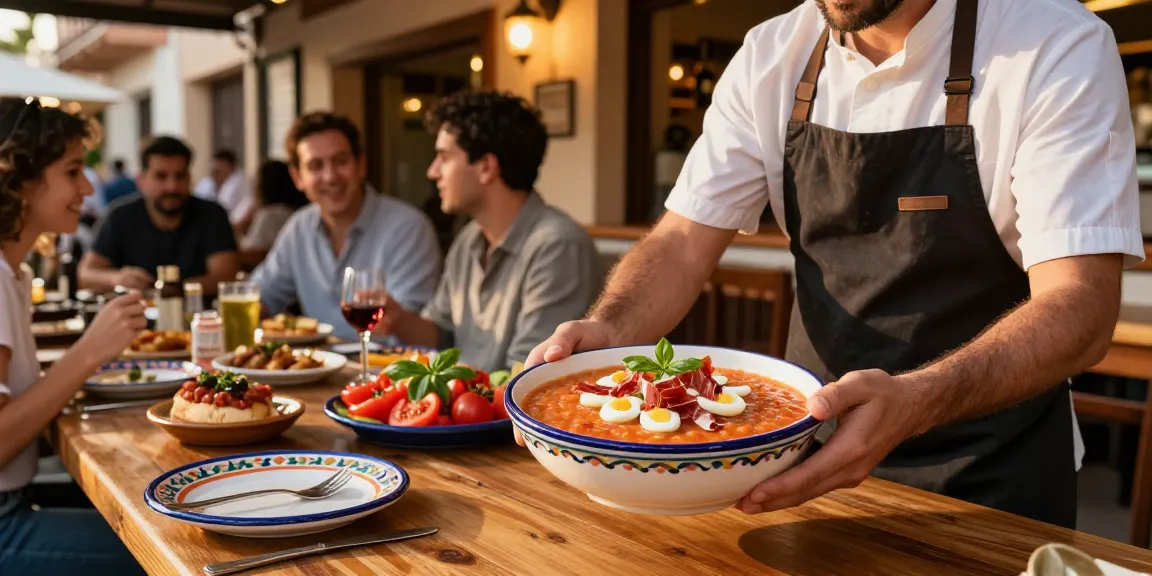
If you are on the quest for the best salmorejo near me, it’s essential to understand what makes this dish so special. Originating from Córdoba, Salmorejo stands out in Spanish cuisine due to its rich texture and flavorful profile, setting it apart from its more popular cousin, gazpacho. This creamy cold soup encapsulates the heart of Andalusian culinary traditions and boasts a unique combination of simple, high-quality ingredients.
Origin and Cultural Significance of Salmorejo
Salmorejo originates from Andalusia, specifically the city of Córdoba, where it has been savored for centuries. Traditionally served as a refreshing meal during the hot summer months, it encapsulates the Spanish ethos of using fresh, seasonal produce. This dish is not merely a recipe but a reflection of the cultural heritage of the region, showcasing how humble ingredients can come together to create something extraordinary.
Key Ingredients That Define Authentic Salmorejo
The primary ingredients of salmorejo include ripe tomatoes, stale bread, extra virgin olive oil, garlic, and sherry vinegar. The quality of the tomatoes is crucial as they provide the base flavor, while the bread acts as a thickener, giving the soup its signature creamy texture. Each ingredient plays a vital role in achieving a balanced flavor profile—sweetness from the tomatoes, richness from the olive oil, and a hint of acidity from the vinegar.
How Salmorejo Differs from Gazpacho
While both dishes belong to the same culinary family, salmorejo is distinctly different from gazpacho. Unlike gazpacho, which incorporates various vegetables such as cucumbers and bell peppers, salmorejo relies on bread to achieve its luxuriant, mousse-like thickness. This results in a richer and creamier soup that is both satisfying and refreshing, proving that sometimes, simplicity is key to culinary excellence.
Where to Find the Best Salmorejo Near Me
Finding authentic salmorejo can sometimes feel like a culinary treasure hunt. However, with the right strategies, it can lead you to delightful Spanish restaurants and tapas bars well-known for their dedication to traditional recipes and flavors. Here’s how you can ensure you’re exploring the best salmorejo options available in your area.
Top-Rated Spanish Restaurants and Tapas Bars
Across the United States, several Spanish establishments stand out for their salmorejo offerings. Notable mentions include:
- La Paella: Located in San Francisco, this restaurant features a menu deeply rooted in traditional Spanish cuisine.
- Casa Mono: A standout in New York City, Casa Mono provides an eclectic menu with a focus on authentic tapas.
- Bar Jamón: This establishment in Manhattan offers not just great salmorejo but also a robust selection of Spanish wines.
How to Identify Authentic Establishments
When searching for the best salmorejo, look for restaurants that specialize in Andalusian cuisine. Check if their menu item texts reflect authenticity, mentioning traditional preparation methods and high-quality ingredients. Authentic Spanish restaurants often display a commitment to cultural heritage through their dishes, which is a promising sign.
User Reviews and Recommendations for Salmorejo
User-generated content is invaluable when searching for the best salmorejo. Utilize platforms like Yelp and Google Reviews to gather insights about local Spanish restaurants. Look for feedback specifically mentioning the flavor and texture of the salmorejo, as this will guide you to the most authentic experiences. Look at recent reviews in 2026, as new chefs and restaurants often put their unique spin on traditional recipes.
How to Make Authentic Salmorejo at Home
While dining out is a fantastic way to enjoy salmorejo, making it at home allows you to control the ingredients and flavors. Follow this comprehensive guide to whip up a velvety salmorejo right in your kitchen.
Essential Ingredients for the Perfect Salmorejo
To create a delightful salmorejo, gather the following ingredients:
- 6 ripe tomatoes
- 200 grams of stale bread (preferably a rustic loaf)
- 100 milliliters of extra virgin olive oil
- 1-2 cloves of garlic
- 1 tablespoon of sherry vinegar
- Salt to taste
- Toppings: hard-boiled eggs and jamón serrano
Step-by-Step Guide to Creating Salmorejo
- Prepare the Ingredients: Chop the tomatoes and garlic.
- Blend the Base: In a blender, combine the tomatoes, bread, garlic, and vinegar. Blend until smooth.
- Add Olive Oil: Slowly add the olive oil while blending to emulsify and achieve a creamy consistency.
- Season: Add salt to taste and blend again to mix thoroughly.
- Chill: Refrigerate for an hour before serving to enhance the flavors.
- Serve: Serve cold, topped with diced hard-boiled eggs and jamón serrano.
Common Mistakes to Avoid When Making Salmorejo
Many home cooks encounter pitfalls that can affect salmorejo’s texture and flavor. Here are a few common mistakes to avoid:
- Using insufficiently ripe tomatoes: Ensure your tomatoes are at their peak ripeness for the best flavor.
- Over-blending: Blend just until smooth; over-blending can lead to a watery consistency.
- Neglecting to chill: Salmorejo is best served cold, allowing the flavors to meld together.
Health Benefits of Enjoying Salmorejo
Salmorejo isn’t just delicious; it also offers several health benefits thanks to its fresh ingredients. Here’s how indulging in this dish can be part of a healthy lifestyle.
Nutritional Value of Salmorejo Ingredients
The primary components of salmorejo contribute essential nutrients:
- Tomatoes: Rich in vitamins C and K, as well as antioxidants like lycopene.
- Olive Oil: Provides healthy monounsaturated fats beneficial for heart health.
- Garlic: Known for its immune-boosting properties and potential cardiovascular benefits.
How Salmorejo Fits into a Healthy Diet
Incorporating salmorejo into your diet is an excellent way to enjoy nutrients without excessive calories. Its base of tomatoes and high-quality olive oil positions it as a healthier alternative to many creamy soups, providing satisfaction with fewer calories.
Salmorejo: A Refreshing Choice for Warm Days
Given its cold nature, salmorejo serves as a perfect dish during hot months, ensuring hydration and nutrition. Its refreshingly savory taste makes it an excellent appetizer or light meal, catering perfectly to summer dining.
Future Trends in Spanish Cuisine and Salmorejo
As we look ahead to future trends in Spanish cuisine, salmorejo is likely to evolve while still retaining its traditional roots. Here are some of the anticipated shifts and innovations.
Emerging Flavor Profiles Influencing Salmorejo
Global culinary influences are starting to seep into traditional Spanish dishes. Ingredients like avocado or various spices may be incorporated into salmorejo, appealing to modern palates while introducing new flavor dimensions.
The Rise of Vegan and Plant-Based Salmorejo
With the growing trend towards plant-based diets, restaurants might begin offering vegan versions of salmorejo. By substituting traditional toppings with plant-based options, such as diced avocados or hemp seeds, they can cater to a broader audience.
Predictions for Salmorejo’s Popularity in 2026 and Beyond
As culinary enthusiasts seek new experiences, salmorejo is poised to gain traction in the dining scene of 2026. Its unique flavor profile combined with modern adaptations could cement its status as a favorite among both traditionalists and adventurous eaters alike.
How to Customize Salmorejo for Different Dietary Preferences?
Customization is key to satisfying diverse dietary needs. To make salmorejo suitable for various diets, consider the following:
- For gluten-free diets, substitute the bread with gluten-free alternatives like quinoa or gluten-free crackers.
- For low-carb options, reduce the bread quantity or use cauliflower as a base.
- For nut-free versions, ensure all toppings are free from nuts.
Can Salmorejo be Made Vegan?
Absolutely! To make salmorejo vegan, simply omit the traditional toppings of jamón serrano and hard-boiled eggs. Instead, consider garnishing with fresh herbs, diced cucumbers, or a drizzle of balsamic vinegar for added flavor.
Is Salmorejo the Same as Gazpacho?
No, salmorejo is not the same as gazpacho. While both are cold soups, gazpacho is lighter and includes a wider variety of vegetables, while salmorejo is thicker and more focused on tomatoes and bread.
Why is My Salmorejo Not Creamy?
If your salmorejo lacks creaminess, it may be due to insufficient emulsification of the olive oil or not using enough bread. Ensure that you’re blending at a slow speed while adding the olive oil to achieve the desired creamy texture.
Conclusion
In conclusion, discovering the best salmorejo near me is more than just a dining experience; it’s an exploration of the rich tapestry of Spanish cuisine. Whether you’re indulging in a bowl at a local tapas bar or crafting your own at home, salmorejo offers a unique taste of Andalusia that is both versatile and delightful. With its combination of fresh ingredients and cultural significance, salmorejo is set to remain a favorite among both traditionalists and innovative chefs alike.
